What Fiction Taught Me About Truth, Perception, and Extending Grace

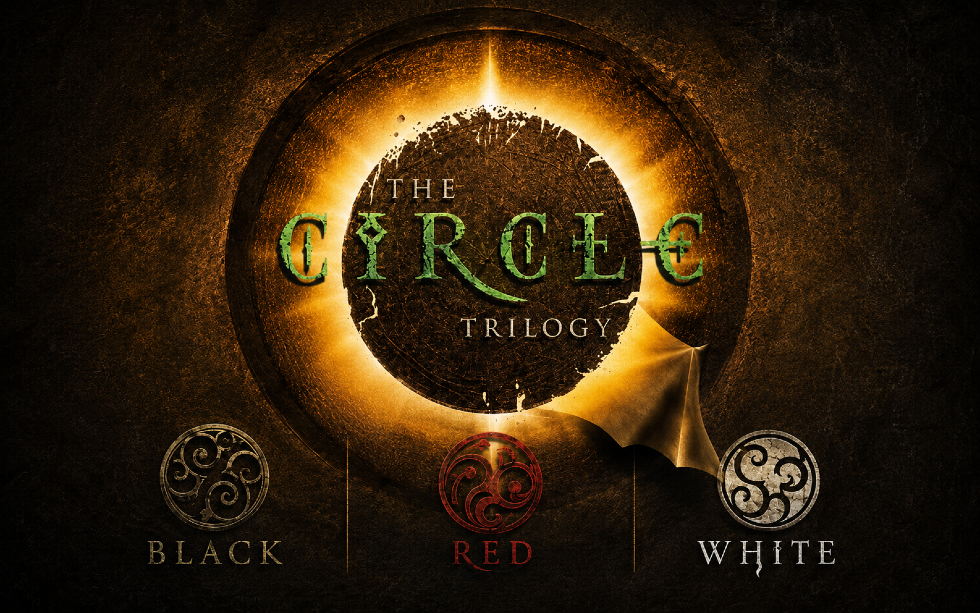
I was in high school when I read The Circle Trilogy by Ted Dekker.
I was tearing through stories at that time in my life. Most were science fiction (actually, most were Star Wars). It was exciting to get lost in other worlds. Homework, responsibilities, even time itself seemed to take a back seat to whatever story I was living in at the moment.
That’s when I found The Circle Trilogy.
If you’re not familiar with the series, it follows a man who wakes up in another world, one that mirrors the overarching story of Scripture. It’s part fantasy, part allegory, and feels like a modern echo of The Chronicles of Narnia. But what struck me wasn’t just the world-building. It was the way the story engaged my faith.
And there’s one moment from those books that has never really left me.
The Traitor
In Red, the second book of the series, the main character, Thomas, has built something meaningful. He’s a respected military leader. He’s surrounded by the right people. He’s fighting the right enemy. The Horde is a real threat, and Thomas is doing everything he can to protect those who can’t protect themselves.
Then a mysterious figure named Justin shows up.
Justin questions everything. He talks about brokering peace with the Horde, as if peace could ever be possible; when the fight is everything, even small concessions feel like surrender. Personally, I thought Justin was a traitor. My theory was that he wanted the heroes to let down their guard so the Horde could destroy them.
Unfortunately, the “good guy” leaders agreed with me. They imprisoned Justin and sentenced him to death. By then, it became clear who Justin was meant to represent. He wasn’t the villain.
He was the Christ figure.
I had always wondered, reading the Gospels, how people got it so wrong. Jesus was right in front of them. He fulfilled the prophecies. He spoke with an authority no one could explain. He connected with people in ways that should have been undeniable.
If I had been there, I used to think, I would have stood by Him.
And yet, in that story, I missed Him.
It wasn’t that I meant to be rooting against goodness. Like the main character of the story, I had fine intentions. I wanted stability. I wanted safety. I wanted the right side to win. But when someone came along who disrupted the system, who spoke of peace where I saw only conflict, I resisted him. I was so sure I was right.
But I wasn’t.
The Weight of Fiction
You can explain something to someone all day long. But it’s not until they feel the weight of that perspective that something truly shifts in them. It reaches a place logic alone can’t touch. For me, that moment in Red didn’t just change how I saw that story. It changed how I saw myself. It forced me to confront something uncomfortable: even with good intentions, I might not always be aligned with truth. I might not always recognize Christ as quickly or as clearly as I’d like to think.
That realization has stuck with me. It’s a large part of why I’m still drawn to fiction today. I believe stories are one of the most powerful tools we have for developing genuine empathy—for stepping into someone else’s perspective and seeing the world through their eyes.
We, as Christians, are called to love others. “By this everyone will know that you are my disciples,” Jesus says in John 13:35, “if you love one another.” To love well, I think we need to develop an understanding of others. Not just at a distance, but in a way that takes their experiences, fears, and perspectives seriously.
Sometimes, when we encounter those who see the world differently, it’s easy to assume they’re missing something obvious. The more familiar a story becomes to us, the more obvious the answers can feel. The lines between right and wrong seem clearer. We might start thinking we have all the answers.
Stories push back against that. They remind us that we’re not always as perceptive as we like to think we are. They invite us to examine our own assumptions. They caution us against assuming the worst in others.
And, most importantly, they remind us to live with humility.
A Reminder of Grace
The Circle Trilogy exposed something in me. It showed me that I was fallible. Even when I thought I was standing on the right side, I was still capable of missing something vital.
There was opportunity for me in that realization. Not just to correct myself, but also to extend grace to others. Because if I could be wrong in something like that, why should I expect everyone else to have it all put together? Sometimes people are just at a different point in the story.
And still learning to recognize the one standing right in front of them.