Love Makes Room
It's easy to criticize those in Bethlehem who didn't make room for Jesus, but far too often, we fill our calendars to the brim, leaving no time to share the love of Christ with those around us. This season, let's choose love and make room.


One evening, while traveling through El Salvador, we ran into a problem. My husband and I had joined friends on a trip to visit several of our national pastors in Guatemala and were excited to see some of the surrounding countries along the way. As we traveled back to Honduras, we hoped to make good time, though we were not sure exactly when we would get on the road.
True to Latin culture, our hosts delayed our departure with a beautiful breakfast and a visit to a local tourist attraction. We left very thankful for the visit, but also with the realization that we were leaving later than planned and would not reach the hotel we had intended to stay at. We hoped we would be able to find suitable accommodations in one of the other towns we would pass through.
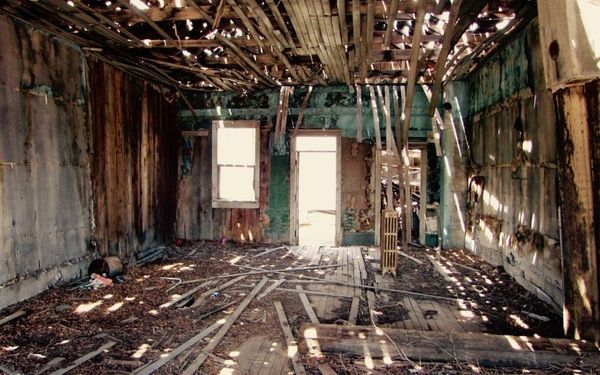
However, as evening approached, we quickly ran into one of the most common problems travelers face. Every hotel was full. There was no room to be had. The friends we were with pulled into numerous hotels, and each owner assured us that the one down the street would surely have an opening.
Finally, when we pulled into a hotel that looked more like a meeting place for local gang members than a safe stop for tourists, I began to feel uneasy. Thankfully, after several hours of searching, we found an available Airbnb in a nearby town. The host confirmed the booking quickly, and we were grateful to get a good night’s sleep.
Christmas plays and storybooks are full of similar scenes of a young Mary and Joseph searching for a place to stay. These stories usually feature a grumpy innkeeper turning them away as they frantically search from house to house for an available room. Mary is often portrayed as being on the verge of delivering, and sometimes a concerned innkeeper’s wife steps in to offer the stable.
However, many Bible translations note that the word "inn" in Luke 2 could be more accurately translated as "guest room." There is a strong case to be made that Mary and Joseph were staying with family members, but due to the influx of relatives traveling for the census, there was no extra space for them in the main part of the home.
Whatever conclusion we draw about the exact setting of Jesus’ birth, we know the essential details. A young mother and father arrived in a town that had no room for them. Because of this, they dwelt among animals and laid their newborn baby in a manger.
That image has become one of the central symbols of Christmas because of the striking contrast it presents. A holy, innocent, perfect child entering the world in humility, surrounded by filth and the frailty of humanity.
No Room for the Savior
This is often the part of the story we struggle to understand. How could no one in Bethlehem find room for the Messiah? How could the Savior of the world be born in a place that did not seem prepared to receive Him? It is a sobering contrast to see God of very God sending His Son in love, yet people with no room for Him.
In this part of the Christmas story, we see an important lesson. Love must make room. It does not happen by accident or convenience, but through a conscious choice.
What Will We Choose?
This Christmas, we face the same decision the people of Bethlehem faced two thousand years ago. We can cling tightly to our schedules, preferences, and comforts, or we can make room for the people God places in our path and for Christ Himself.
Love is what makes room. Love rearranges schedules, opens doors, and welcomes inconvenience. 2 Corinthians 8:9 says,
“For you know the grace of our Lord Jesus Christ, that though he was rich, yet for your sake he became poor, so that you by his poverty might become rich.”
Jesus set the example for us by willingly laying everything aside for our sake.
As we end this Christmas season and move into a new year, may we be intentional about making room for Jesus. Not only in our traditions, but in our hearts, our homes, and our daily lives.